
Can a Modern Swimming Pool Work with a Historic Home?
With Heritage Open Days taking place across England this September, thousands of historic buildings, landscapes and normally hidden spaces are opening their doors to the public.
It is a celebration of our architectural heritage, but it also raises an interesting question for owners of period properties.
How do you introduce something completely modern, such as a swimming pool, without compromising the character that made you fall in love with the property in the first place?
At Unique Pool, we believe the two can work beautifully together.
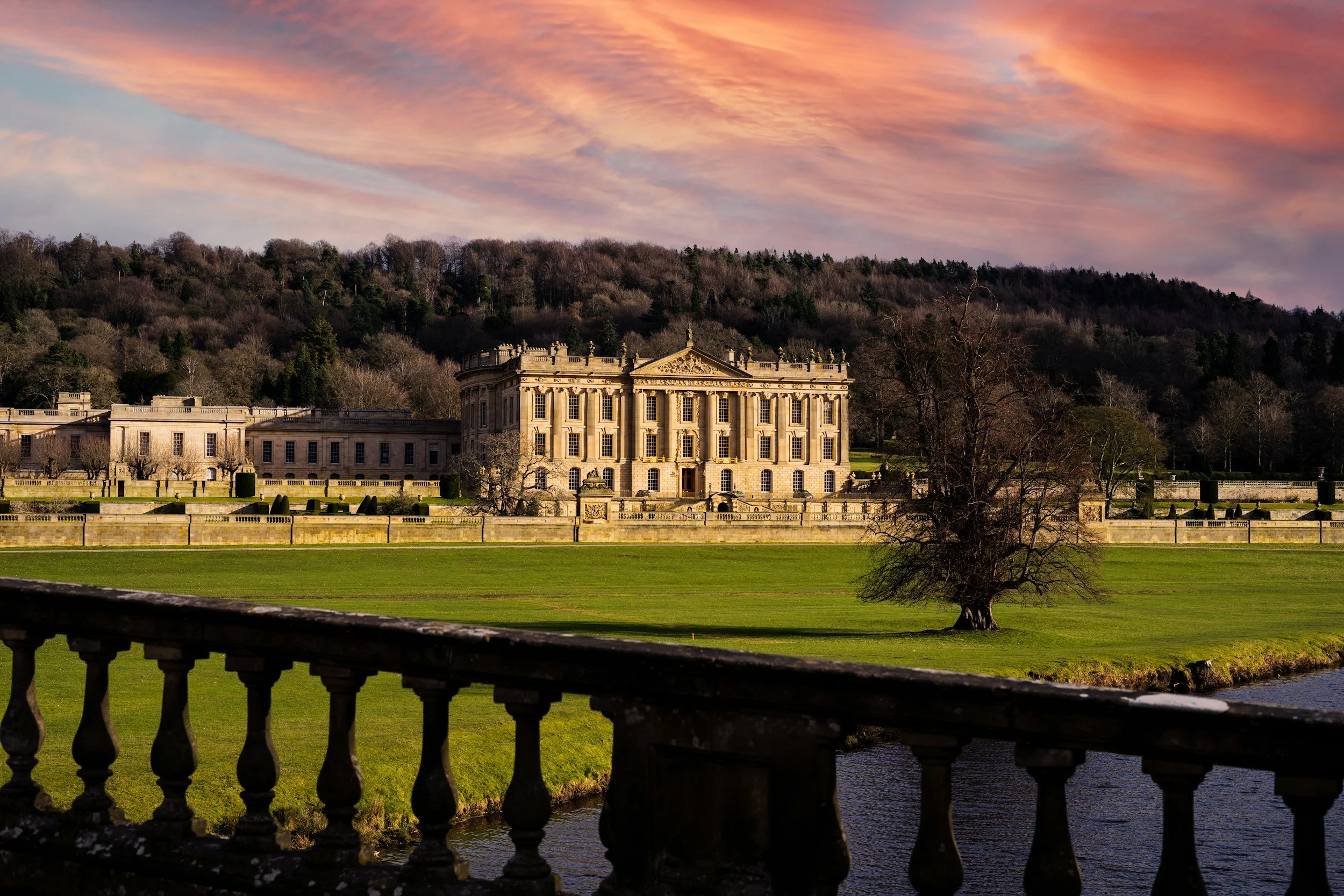
Start with the property, not the pool
When designing a swimming pool for a period home or sensitive rural setting, the architecture and landscape should lead the conversation.
A highly contemporary pool might provide an intentional contrast to an older property. Alternatively, natural materials, traditional forms and carefully considered sightlines can help a new pool or pool building feel as though it belongs.
There is no single correct approach.
What matters is understanding the property, how the pool will be used and how the new space will relate to the existing house and its surroundings.
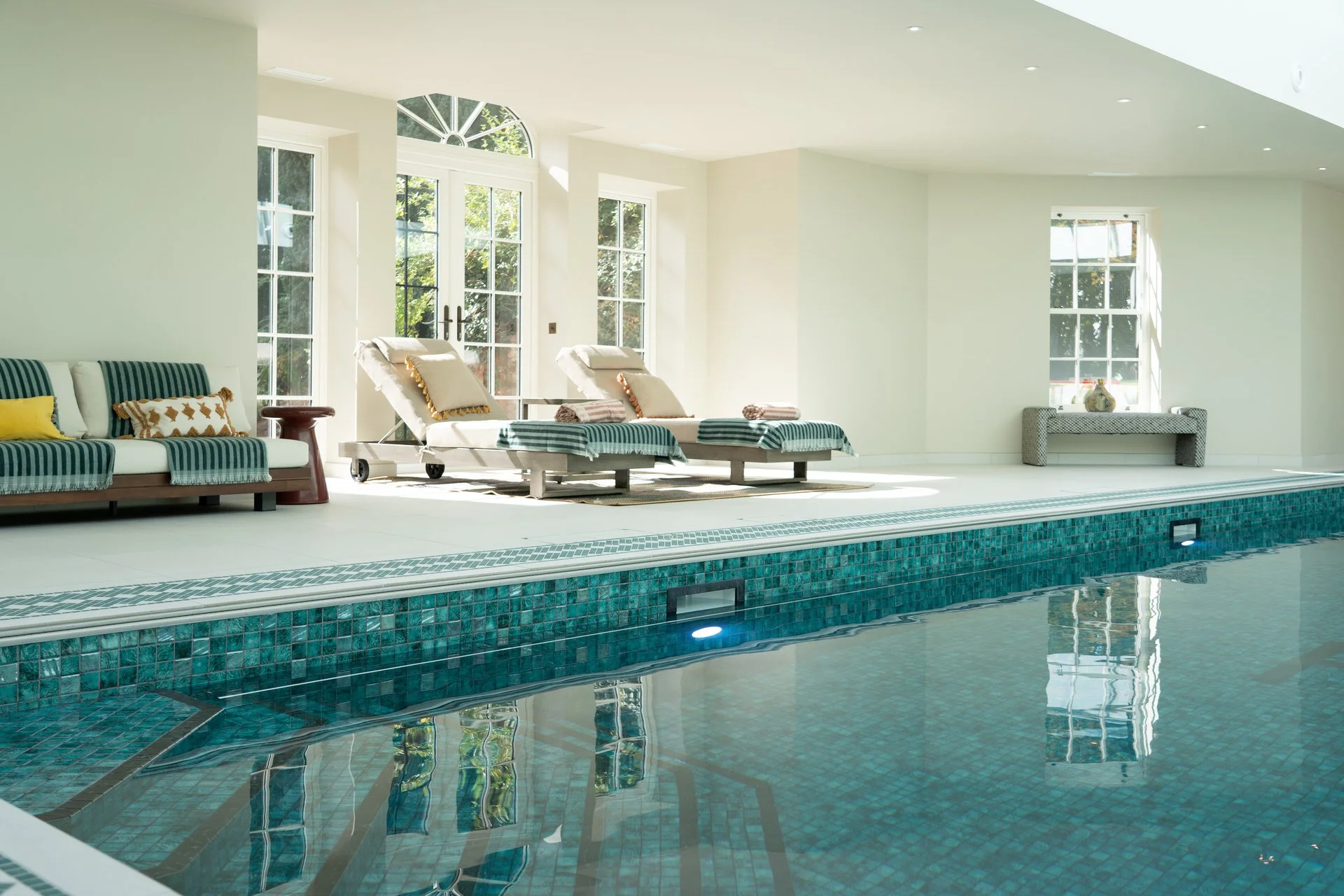
Make the most of the setting
Period properties often come with something modern developments cannot recreate: mature gardens, established landscapes and a real sense of place.
A pool should take advantage of that.
The orientation of the water, views from the pool room, glazing, landscaping and even the position from which you first see the pool can all make a significant difference.
Rather than treating the pool as an object to be placed within the grounds, we prefer to think about it as part of the wider architecture and landscape.
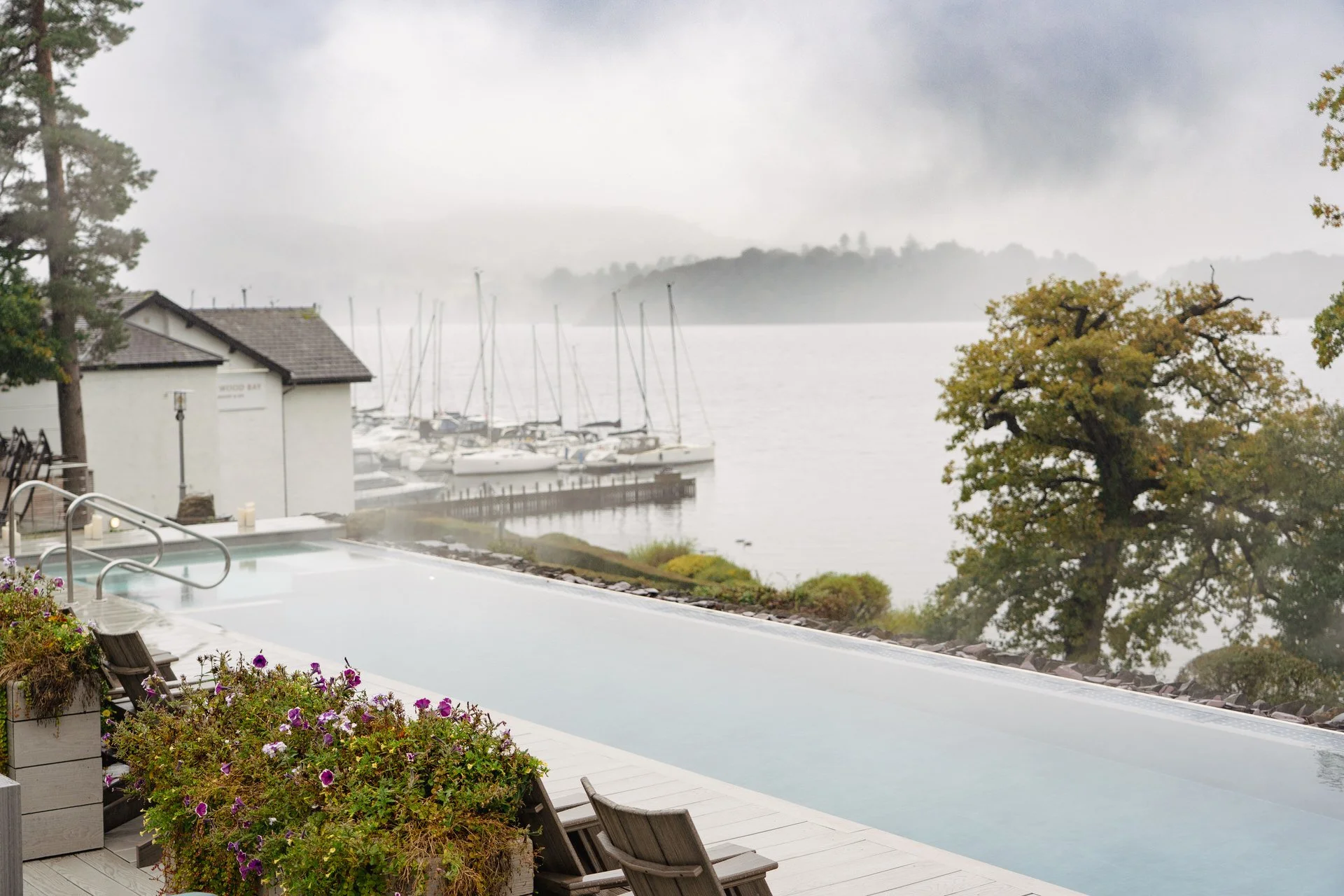
Modern engineering can remain out of sight
One of the advantages of a bespoke swimming pool is that the technology does not need to dictate the appearance.
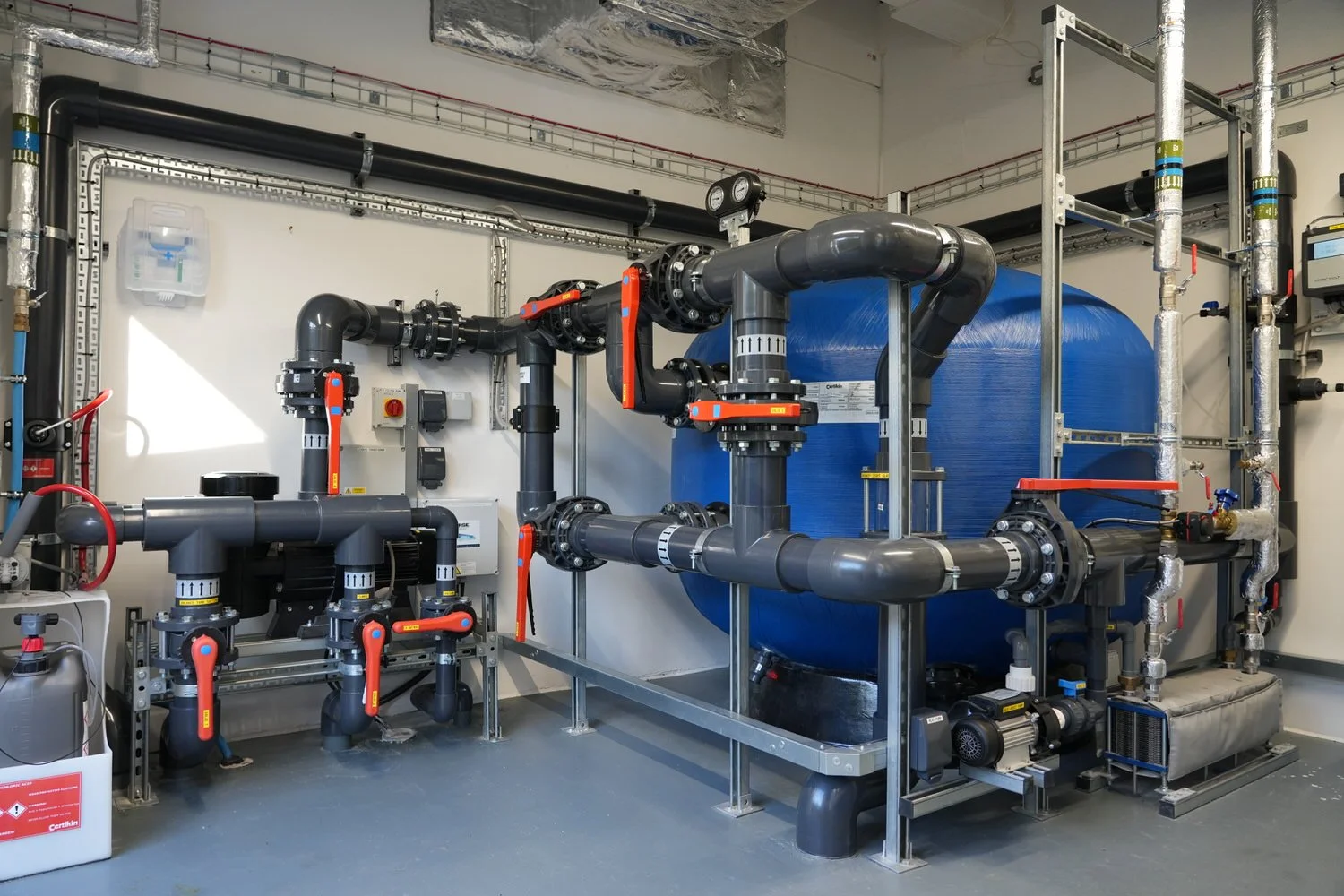
Modern filtration, water treatment, heating, automatic covers, air handling and control systems can all be incorporated discreetly.
Our indoor pool project in Cawthorne, Yorkshire is a good example.
The 15m level-deck swimming pool and adjoining spa sit within a beautiful oak-framed leisure building. We worked closely with the architects and interior design team to ensure everything from the tiling to the positioning of the plant and ducting complemented the architecture.
Behind the traditional character of the building is some very modern technology, including ozone water treatment and a Recotherm air handling system integrated into the floor.
The result is a space that feels calm and timeless, while delivering the comfort, efficiency and performance expected from a modern swimming pool.
What about planning permission?
This becomes particularly important with historic properties.
For many homes in England, an outdoor domestic swimming pool can potentially fall within permitted development rights, subject to specific limits and conditions.
Historic and protected properties can be very different.
Planning Portal guidance highlights listed buildings, conservation areas, National Parks and other designated land as situations where additional restrictions can apply. Within the curtilage of a listed building, normal permitted development rights for outbuildings do not apply in the same way.
Listed Building Consent may also be required where work affects the character or special architectural or historic interest of a listed building.
Every property and local authority is different, so planning requirements should always be established with the relevant local planning authority before work begins.
For a sensitive site, involving the right people early can save considerable time later.
Indoor or outdoor?
A period property does not necessarily dictate whether an indoor or outdoor pool is the better solution.
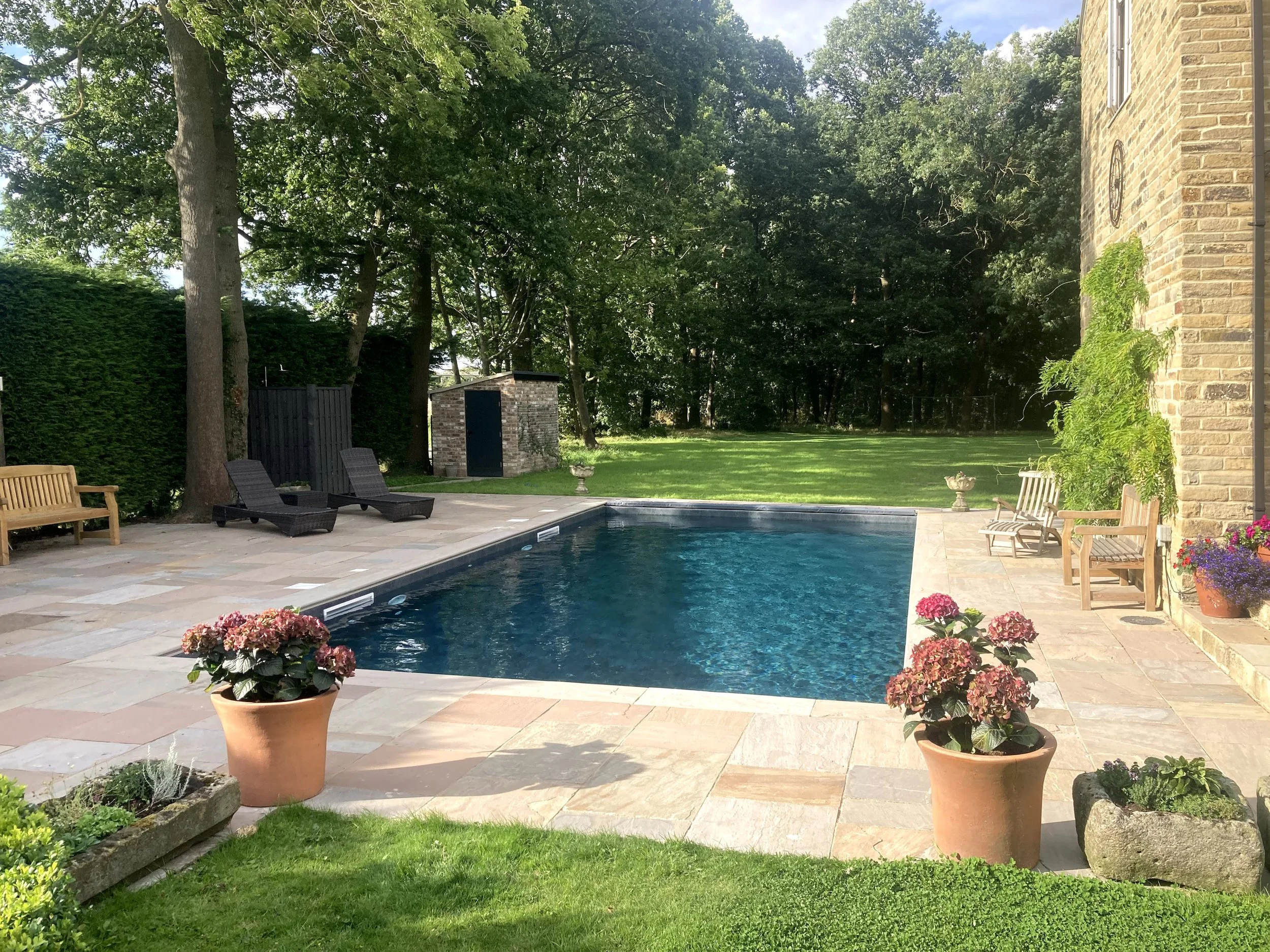
An outdoor pool can sit beautifully within established gardens and create a strong connection with the landscape. Careful positioning and landscaping can also reduce its visual impact when viewed from the house.
An indoor pool offers year-round use and creates opportunities for a completely new piece of architecture. A glazed contemporary structure, an oak-framed pool room or a building influenced by existing barns and outbuildings can all work in the right setting.
The important thing is not to begin with a predetermined solution.
Start with the property, the setting and how you want to use the pool.
Bringing old and new together
Some of the most interesting projects are those where there is a contrast between old and new.
A historic house does not mean every new addition has to imitate the past. Equally, contemporary design does not need to shout for attention.
With careful planning, good architecture and considered engineering, a modern swimming pool can become part of the next chapter in a property's history rather than competing with it.
Considering adding a swimming pool, spa or wellness space to a period property?
If you are considering adding a swimming pool, spa or wellness space to a period property, talk to us early. We can help explore the possibilities and make sure the practical considerations are part of the design from the beginning.
Every property is different. We think its pool should be too.