
How to Design a Spa Experience, Not Just a Pool
Designing a luxury pool is not just about water, tiles and dimensions. The most successful projects create a complete spa experience that helps people relax, recover and stay longer in the space. That means thinking beyond the pool itself and designing for atmosphere, comfort, flow, hydrotherapy, lighting, materials and wellness from the very start.
If you want to create a spa environment rather than simply install a pool, the key is to design the whole experience as one connected journey.
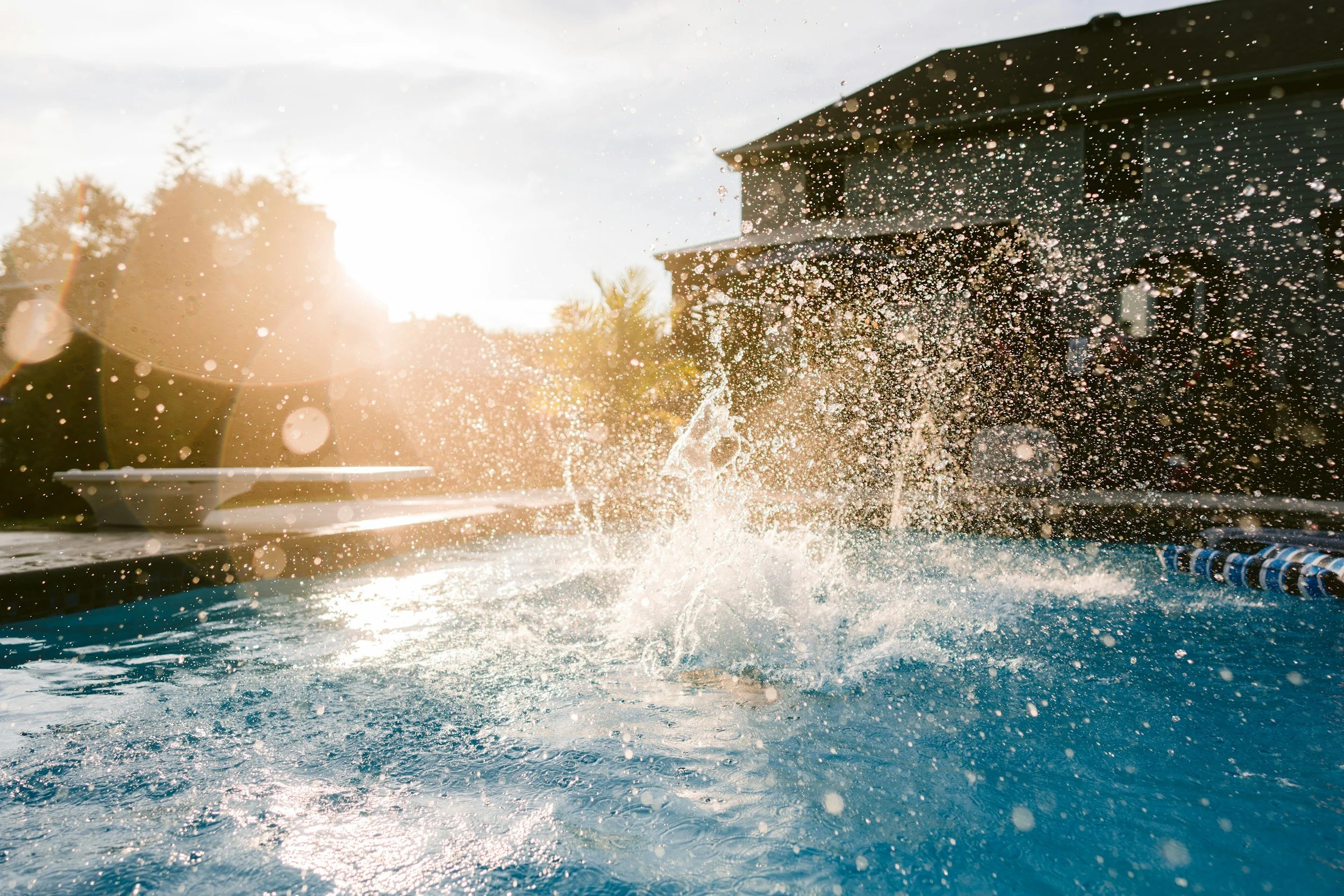
What is the difference between a pool and a spa experience?
A pool is a feature. A spa experience is a feeling.
A well-designed spa space is immersive. It does not begin and end at the waterline. It starts with the approach into the room, the temperature, the acoustics, the lighting and the mood. It continues through every detail, from where someone sits and pauses, to how the water supports relaxation, movement and recovery.
That is why the best spa projects feel calm, intuitive and complete. They are not simply attractive spaces. They are environments designed around how people want to feel and how they want to use the space.
Start with the experience, not just the pool design
One of the most common mistakes in spa pool design is to focus too early on shape, depth and finish before defining the wider purpose of the space.
A better starting point is to ask a more useful set of questions:
Is the goal deep relaxation, social enjoyment, hydrotherapy or recovery?
Will the space be used by hotel guests, spa members or private homeowners?
Should the environment feel calm and cocooning, light and uplifting, or sleek and contemporary?
What should the journey through the space feel like from beginning to end?
When these questions are answered early, the pool becomes part of a much stronger overall concept. The result is a space that feels intentional rather than pieced together.
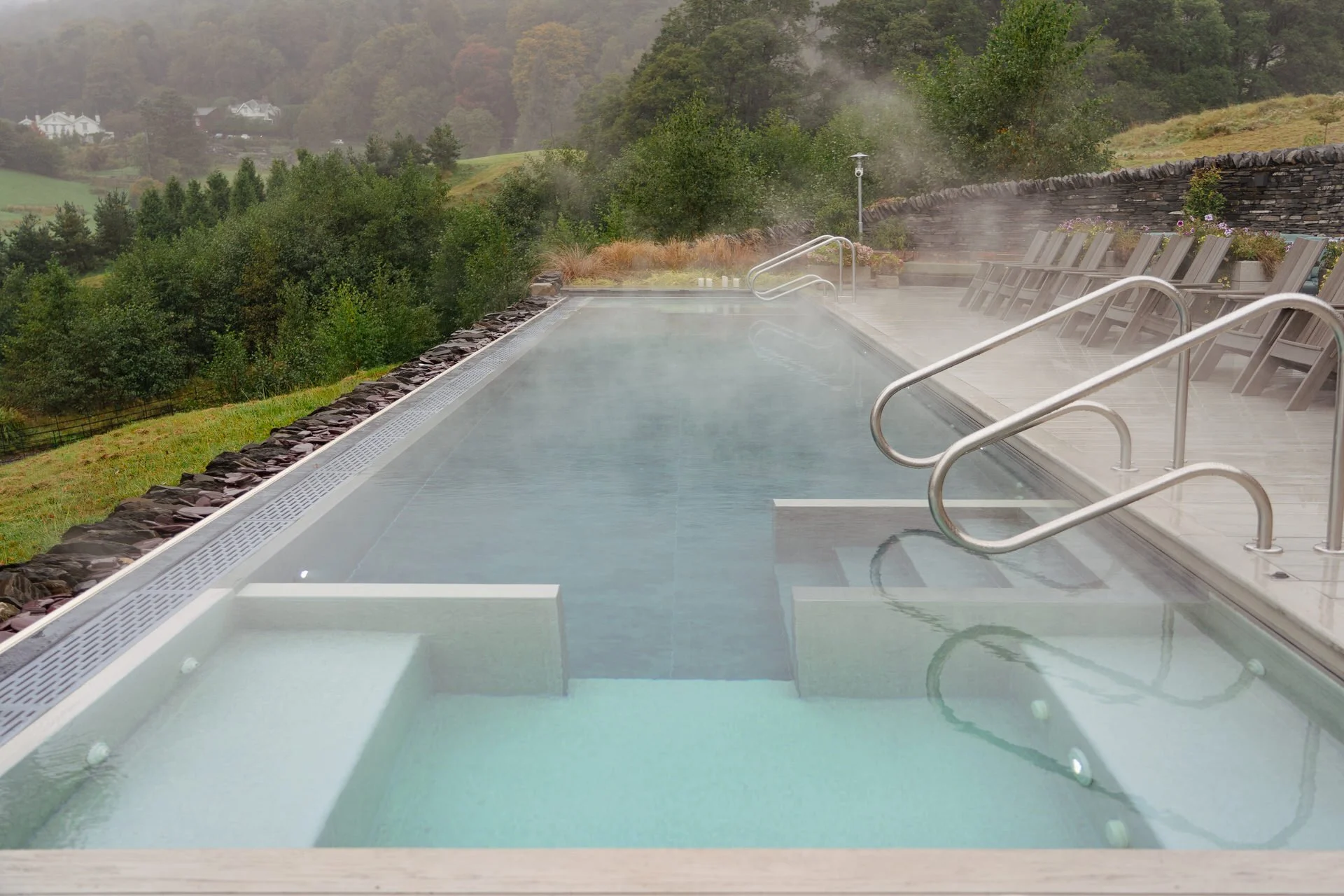
Design spa spaces in zones
The most memorable spa environments are rarely built around one single feature. Instead, they are designed in zones that support different moods and uses.
This might include:
a hydrotherapy pool for relaxation and muscle recovery
a thermal area such as sauna or steam
a cool-down or contrast element
a relaxation zone with loungers or seating
transitional spaces that allow the whole journey to feel calm and natural
Thinking in zones helps create variety, rhythm and choice. It also makes the experience feel more premium because the user is not limited to one static environment. They can move through the space in a way that feels restorative and immersive.
Make hydrotherapy part of the design, not an afterthought
Hydrotherapy should never feel bolted on.
Effective hydrotherapy pool design is about much more than adding jets. It requires careful thinking around seating positions, water depth, body support, jet placement, pressure and duration. The goal is to create an experience that feels comfortable, purposeful and genuinely beneficial.
When hydrotherapy is properly integrated, the spa becomes more than visually impressive. It becomes a space people return to because it offers real physical value as well as aesthetic appeal.
This is especially important in both hospitality and residential wellness projects, where clients increasingly want spaces that support relaxation, recovery and everyday wellbeing.

Use lighting, materials and sound to shape the mood
A spa experience is shaped as much by the environment around the water as the water itself.
Materials should feel calm, tactile and appropriate to the setting. Lighting should soften the space and support the desired atmosphere. Sound should be considered carefully too, because noise, echo and mechanical hum can quickly reduce the sense of luxury.
When these elements are designed together, the result is far more powerful. A simple pool room can become a wellness space with genuine emotional impact.
This is often where the difference lies between a technically good pool and a truly exceptional spa environment.
Create a natural flow through the space
Luxury spa design is not just about the individual features. It is about how those features connect.
People should be able to move naturally through the environment without friction or confusion. They should understand where to enter, where to pause, where to sit and what to do next. Good spa design feels effortless because the layout has been carefully resolved behind the scenes.
That flow matters just as much in compact spaces as it does in large commercial spas. Even smaller projects can feel considered and luxurious when the sequence of spaces has been designed properly.
Balance visual impact with technical performance
A spa should look beautiful, but it also needs to perform flawlessly.
Behind every great spa experience is a strong technical foundation. Water quality, heating strategy, circulation, dosing, plant room planning and long-term efficiency all affect how successful the finished space will be.
If these elements are poorly considered, even the most visually striking design can become frustrating to operate or expensive to maintain. If they are handled well, the experience feels effortless to the end user.
That balance of beauty and engineering is what defines a truly high-end spa project.

Design for wellness, not just appearance
Clients today are often looking for more than a swimming pool. They want a space that supports wellbeing.
That could mean hydrotherapy for recovery, a calmer environment for switching off, or a full thermal experience that encourages people to slow down and stay longer. The design should reflect those goals clearly, rather than relying on appearance alone.
The strongest spa projects are the ones that combine visual quality with a clear understanding of how people want to feel in the space. That is what turns a pool into an experience.
Why bespoke spa design matters
No two properties, brands or client briefs are the same. That is why spa design should never feel generic.
A private wellness suite in a home will have very different priorities from a hotel spa or a destination wellness retreat. The architecture, setting, target user and desired atmosphere should all shape the final design approach.
A bespoke solution allows every part of the experience to feel joined up, from the pool itself to the surrounding materials, lighting, layout and supporting wellness features.
The best spa experiences feel complete
The most successful projects do more than include premium features. They create a place people want to spend time in.
That comes from treating the pool as part of a bigger story. One that includes movement, mood, recovery, ritual, design quality and technical excellence in equal measure.
When all of those elements work together, the result is not just a better pool. It is a better experience.
At Unique Pool, we believe the most successful aquatic environments are the ones designed around how people want to live, relax and feel — not simply what they want to install.